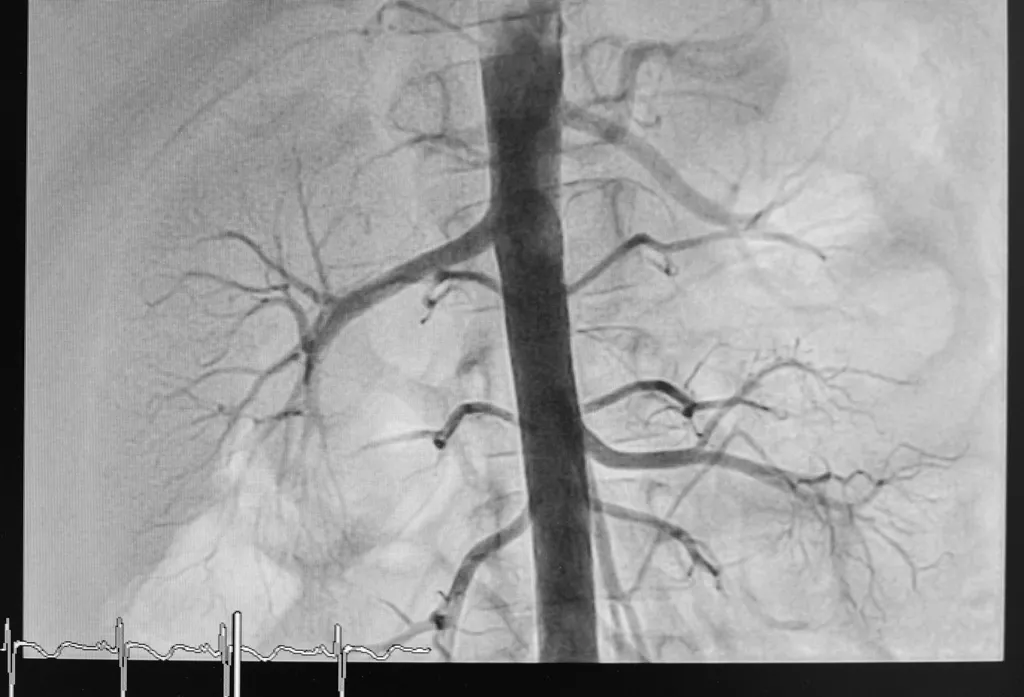


When a baby is in the womb, their lungs are not yet working, so the body uses a special vessel - the ductus arteriosus. It connects the aorta and pulmonary artery, helping blood bypass the lungs.
After birth, the baby starts to breathe independently, so this vessel is no longer needed. In most full-term infants, it closes within the first days of life. If this does not happen, it is referred to as a patent ductus arteriosus (PDA).
What causes a patent ductus arteriosus?
PDA is most commonly found in premature infants. The smaller the gestational age and birth weight, the higher the risk that the duct will remain open.
In full-term infants, PDA occurs much less frequently. In most cases, it is impossible to determine the exact cause of its occurrence. Sometimes it is associated with other congenital heart defects.
Why can a patent ductus arteriosus be dangerous?
With a patent ductus, part of the blood from the aorta flows back into the pulmonary artery. Because of this, the heart and lungs may work under additional load.
If the duct is large, it can lead to:
- heart overload;
- excess blood flow in the lungs;
- signs of heart failure;
- pulmonary hypertension;
- insufficient weight gain;
- frequent respiratory infections.
In premature infants, hemodynamically significant PDA is also associated with a higher risk of some serious complications, including bronchopulmonary dysplasia and pulmonary hemorrhages.
What symptoms might concern parents?
A small patent ductus often does not cause any symptoms at all.
With a larger PDA, the following may be observed:
- rapid fatigue during feeding;
- rapid breathing or shortness of breath;
- increased sweating;
- insufficient weight gain;
- frequent bronchitis or pneumonia;
- rapid fatigue in older children.
Sometimes, the first sign is a heart murmur that a doctor hears during an examination.
How is the diagnosis established?
The main method of diagnosis is an ultrasound examination of the heart (echocardiography).
This examination allows:
- to confirm the presence of a patent ductus;
- to evaluate its size;
- to determine whether it affects the heart and lung function;
- to choose further observation or treatment strategies.
Echocardiography helps to understand whether the PDA is hemodynamically significant and whether it requires intervention.
How is a patent ductus arteriosus treated?
Treatment depends on the baby's age, the size of the duct, and its impact on circulation.
Observation
Small PDAs often do not cause any disorders and may simply be monitored by a pediatric cardiologist. In some children, the duct may close on its own.
Medication
In premature infants, medications that promote the closure of the duct, such as ibuprofen or indomethacin, are sometimes used.
At the same time, current recommendations emphasize that such medications should not be administered automatically to all premature infants. The decision regarding treatment is made individually after assessing the child's condition and the results of echocardiography.
Catheter closure
If the PDA is significant and requires treatment, most children today undergo minimally invasive closure using a special device - an occluder.
During the procedure, the doctor inserts the device through a blood vessel, which closes off the duct. No chest incision is necessary.
Surgical treatment
Surgery is only necessary in rare cases when catheter closure is not possible or is not the optimal method of treatment.
Can a patent ductus arteriosus be prevented?
There is no specific prevention for PDA.
The most effective measures are:
- prevention of premature birth;
- quality medical supervision during pregnancy;
- timely examination of newborns, especially preterm infants;
- regular monitoring by a pediatric cardiologist for at-risk children.
Prognosis
For most children, the prognosis is favorable. Many small ducts do not cause significant disturbances, and modern treatment methods allow for effective elimination of hemodynamically significant PDA. After successful treatment, most children grow and develop just like their peers.
Prices for related services
- Paediatric echocardiography2030 uah
- Pediatric cardiologist consultation1740 uah
 8.6К view