

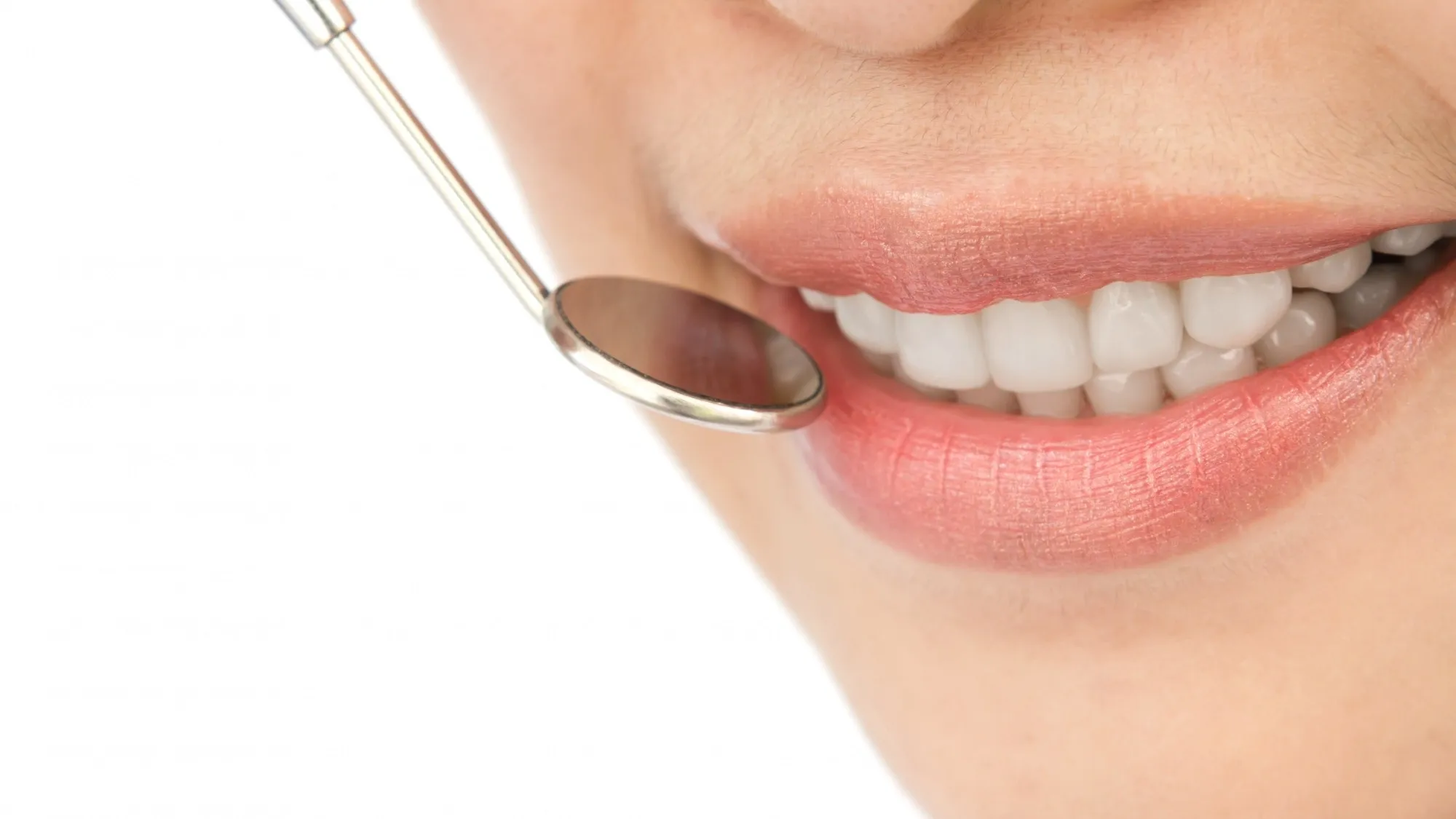

Blood while brushing teeth most often indicates gum inflammation caused by bacterial plaque. In the initial stage, the process may be limited to gingivitis and is reversible. If the inflammation spreads to the ligaments and bone around the tooth, periodontitis develops, which, without treatment, leads to mobility and loss of teeth.
A one-time occurrence of blood is sometimes related to trauma from a hard brush or floss. However, recurring gum bleeding, swelling, bad breath, recession, or root exposure require an examination by a dentist. Home rinses may temporarily alleviate symptoms but do not remove subgingival tartar and do not restore lost bone tissue.
Prices for related services
Why Gums Start to Bleed
The most common cause of bleeding is an inflammatory reaction to dental plaque. Bacterial biofilm accumulates along the gum line and between the teeth. If it is not regularly removed, the tissues become red, swollen, and easily bleed upon contact with a toothbrush, floss, or hard food.
Soft plaque gradually mineralizes and turns into tartar. Its rough surface holds onto new bacteria, and deposits beneath the gums cannot be completely removed with a regular toothbrush. In such cases, at-home hygiene is complemented by professional teeth cleaning.
Gums may also bleed due to improper brushing technique, using a toothbrush that is too hard, injury from flossing, or having defects in fillings and compromised marginal fit of crowns.
The condition of the tissues can be influenced by smoking, dry mouth, hormonal changes, diabetes, deficiency of certain nutrients, and the use of medications that affect blood clotting.
When Bleeding is a Reaction to the Toothbrush, Not a Disease
A one-time minor bleeding can be a result of mechanical trauma. This happens after a sudden movement with floss, using a new hard toothbrush, or applying too much pressure. If the gums are of normal color, not swollen, and do not continue to bleed, it's enough to correct the care technique and monitor the condition.
In the case of inflammation, symptoms recur even with a soft toothbrush. Additional symptoms include redness, swelling, tenderness, unpleasant odor, and plaque around the necks of the teeth. Avoiding brushing due to fear of bleeding worsens the situation as biofilm accumulates. Teeth should be cleaned regularly but without excessive pressure.
Signs indicating a need to see a dentist:
- Bleeding occurs daily or over several days;
- Gums are red, swollen, or painful;
- An unpleasant smell or taste persists;
- Pus is discharged between the tooth and gums;
- Teeth appear longer due to recession;
- Mobility arises or bite changes.
There is no need to wait for pain to appear: gingivitis and early periodontitis often develop without pronounced symptoms.
How to Distinguish Gingivitis from Periodontitis
Gingivitis affects only the gums, while periodontitis damages the tissues that hold the tooth in place. In gingivitis, the bone and ligament apparatus are not yet destroyed. After removing plaque, correcting hygiene, and professional treatment, the tissues can fully restore a healthy state.
Typical symptoms of gingivitis include redness, swelling, bleeding, discomfort during brushing, and unpleasant odor. The teeth remain unchanged, and there are no radiographic signs of bone loss. In this case, to eliminate the inflammation, a specialist recommends gingivitis treatment.
The answer to the question of what periodontitis is lies in the depth of damage. It is an inflammatory disease in which the connections between the tooth and surrounding tissues are destroyed, and the alveolar bone level gradually decreases. At this time, periodontal pockets form between the tooth and gums, where bacteria and tartar accumulate.
What Else Can Be Fully Cured
If the cause of inflammation is timely removed and quality hygiene is maintained, gingivitis can be completely eliminated. Periodontitis is a chronic disease: lost tissues do not always return to their original state, but the process can be stopped or stabilized.
Therefore, how periodontitis is treated depends on the depth of the pockets, the activity of inflammation, and the volume of bone loss. The foundation of therapy is the removal of supra- and subgingival deposits, cleaning and polishing the root surfaces, correcting home hygiene, and regular monitoring. Surgical or regenerative techniques are applied as indicated.
What Signs Indicate There are Bone Tissue Damages?
Pocket formation, recession, tooth mobility, and changes in their position indicate possible damage to the supporting tissues. Gaps can also appear between teeth, along with purulent discharge, discomfort during chewing, and changes in jaw closure.
Characteristic symptoms of periodontitis do not always correspond to the degree of destruction. In smokers, gums may bleed less due to nicotine's effect on blood vessels, although the disease continues to progress. Therefore, bone condition is determined not by appearance but by probing results and radiographic diagnostics.
Stages of Periodontitis and How it Differs from Periodontosis
The stage of periodontitis is determined by the loss of attachment and bone, the depth of periodontal pockets, and the mobility of teeth. At an early stage during the chronic course of the disease, symptoms are almost absent, whereas in severe cases, inflammation and swelling of the gums occur, deep periodontal pockets are present, significant bone resorption is noted, pathological mobility is possible, and there is a risk of tooth loss.
Conditionally, the development of the disease is accompanied by:
- early loss of attachment of the periodontal ligament without expressed mobility;
- deepening of pockets and noticeable recession;
- significant bone loss and displacement of teeth;
- chewing disturbances and high risk of tooth loss.
When explaining how periodontitis differs from periodontosis, it is important to take modern terminology into account. Periodontitis is an inflammatory disease associated with bacterial biofilm and the immune response of the body. The term "periodontosis" was previously used to describe non-inflammatory dystrophic changes, but in modern international classification, this term is hardly used.
How a Dentist Confirms the Diagnosis
At the Dobrobut Dental Clinic, the diagnosis is established based on the results of an examination, radiological research, photodiagnostics, and filling out the periodontal chart. The doctor evaluates the presence of plaque and hard dental deposits, the color of tissues, recession, tooth mobility, the presence of pus, and the nature of the jaw closure.
Probing of periodontal pockets allows measuring the depth between the margin of the gums and the bottom of the periodontal pocket and identifying bleeding. The indicators are recorded in the periodontal chart to assess the condition around each tooth and to subsequently monitor and compare treatment results.
Computed tomography of the jaws and targeted radiographs show the level of bone tissue and the presence of other inflammatory processes. The periodontist compares clinical and radiological data, considers age, smoking, the presence of concomitant diseases, and the rate of progression of changes, and establishes a diagnosis.
After the examination, the specialist agrees on the treatment plan for periodontitis. Typically, they first eliminate bacterial deposits and teach the patient home care, and then reassess the pockets and bleeding.
In cases of deep pockets, both open and closed curettage are used. The specific method is chosen by the periodontist after diagnosis, not just based on the presence of blood during cleaning.
According to indications, the treatment plan may include vector therapy as one of the methods for polishing root surfaces in the supportive therapy stage.
What to Do Before the Visit and What Not to Do
Before the consultation, continue to brush your teeth twice a day with a soft brush. The movements should be controlled, without strong horizontal friction. Clean the interdental spaces with floss or brushes of the appropriate size. If proper hygiene causes slight bleeding, do not stop it completely.
Before the visit, you can:
- use fluoride toothpaste without coarse abrasives;
- clean your tongue and interdental spaces;
- quit smoking or reduce it;
- note when bleeding occurs and what medications you are taking;
- monitor your glucose level if you have diabetes.
Do not start taking antibiotics on your own and do not apply alcohol, hydrogen peroxide, or other concentrated solutions to your gums. Antiseptic rinses are not meant for uncontrolled long-term use. They do not remove tartar and do not replace mechanical cleaning.
 3 views