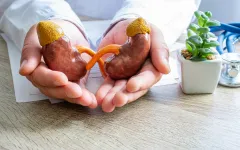


What is oligospermia in men, causes and symptoms of the condition
Oligospermia is a decrease in the volume of ejaculate and a decrease in the number of spermatozoa in the seminal fluid. There is a distinction between light, moderate and severe oligospermia. The degree of oligospermia is determined by the number of spermatozoa present in the ejaculate.
Oligospermia is distinguished:
- first degree with a concentration of 50 to 40 million active spermatozoa/ml;
- the second with a concentration of 40 to 20 million. sperm/ml;
- the third with a concentration of 20-5 million sperm/ml;
- fourth with a concentration of up to 5 mln. sperm/ml.
The normal number of sperm in 1 ml of ejaculate, according to the World Health Organization, is more than 60 million. To confirm the diagnosis, it is recommended to carry out the analysis twice, since the concentration of spermatozoa in the ejaculate can change. There is a concept of "temporary oligospermia" caused by stress and other external factors. You will learn about what oligospermia is in men from this article.
Oligospermia - causes of occurrence
Oligospermia can appear for various reasons:
- hypogonadism (reduced production of androgens);
- drug use, alcoholism;
- taking some medicines, for example, androgens;
- old age;
- genetic defects of the Y-chromosome;
- Y-chromosomal microdeletions;
- Klinefelter syndrome;
- neoplasms, for example, seminoma;
- cryptorchism;
- varicocele;
- testicle injury;
- testicular dropsy;
- complication of epidemic parotitis;
- infectious diseases, for example, prostatitis.
In about 30% of infertile men, the causative factor for the decrease in sperm concentration or quality is not found. This condition is called idiopathic (unexplained) oligospermia.
Research conducted in 2013 showed that oligospermia is associated with overweight (the probability increases by 1.1 times), obesity (by 1.3 times) and morbid obesity (by 2.0 times). However, no significant relationship between oligospermia and underweight was found. When observing men with mild oligospermia, a significant relationship between a decrease in sperm quality and such factors as age, obesity and occupational stress was found.
Oligospermia: treatment
Usually, oligospermia is discovered when a couple consults a doctor about infertility. Is it possible to get pregnant with oligospermia? Yes, you can. In some cases, drug or surgical treatment can improve sperm quality. For example, the use of FSH in men with pituitary hypogonadism, antibiotics for infectious diseases, surgery for hydrocele, varicocele help to cure male infertility.
In the idiopathic form of oligospermia, the treatment is ineffective. Doctors made such conclusions after using various medicines. The use of clomiphene citrate, tamoxifen, vitamins E and C, antioxidants, and L-carnitine for oligospermia in a number of experimental studies gave a slightly positive result. Low-dose combination hormone therapy increases sperm count and motility in some men. The scientists came to the conclusion that additional research is needed to determine the necessary combination of drugs.
Read more about oligospermia - what it is and how to treat it on our website https://dobrobut.com/
 5.3К views