

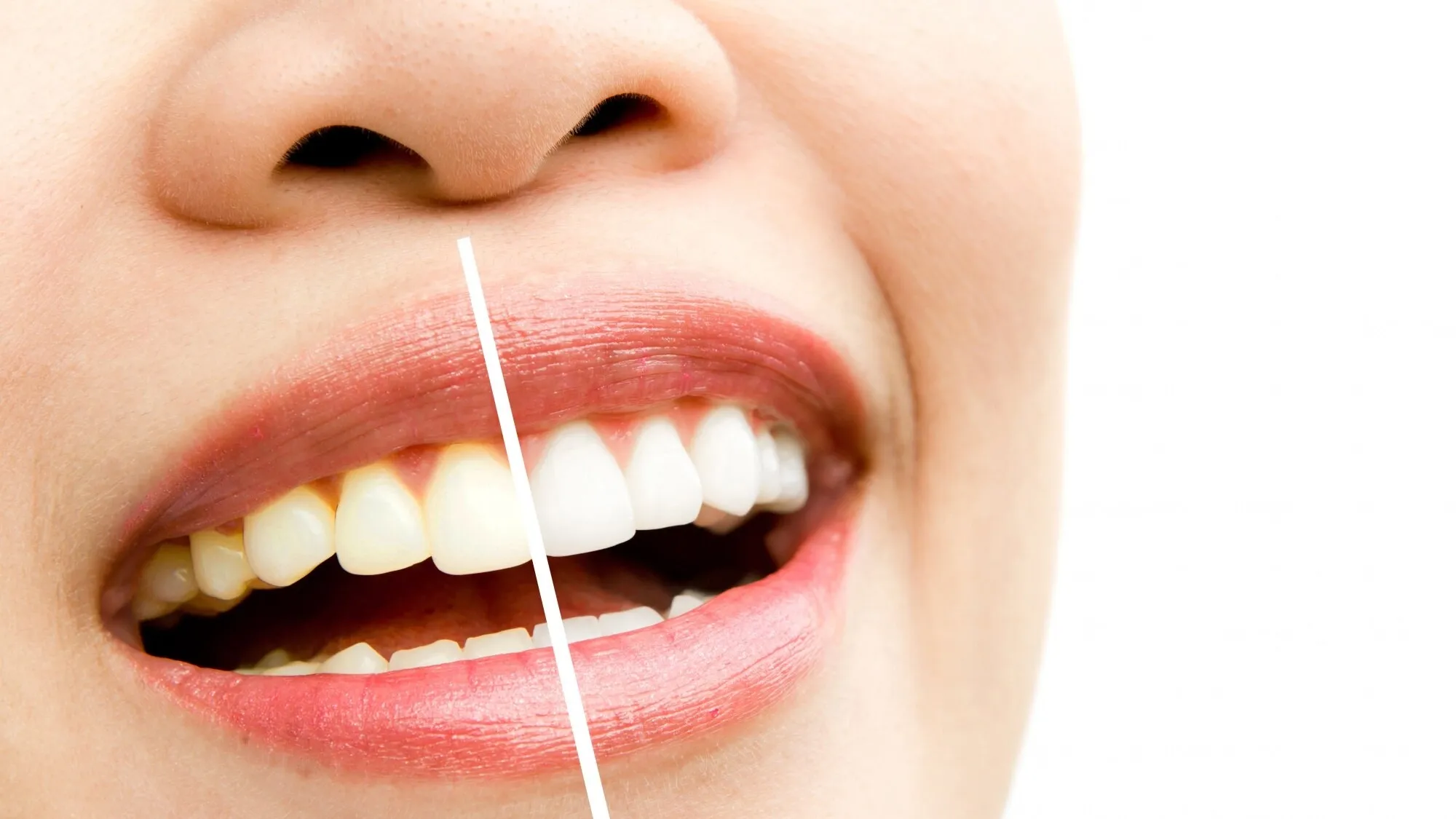

Soda does not change the natural color of teeth, but only partially removes surface pigmented plaque. Frequent or intense use may irritate the gums, increase sensitivity, and damage the surface of the teeth, especially in the presence of erosions and recessions. Even more dangerous are mixtures of soda with lemon juice or uncontrolled amounts of peroxide. Therefore, it is recommended to first determine the cause of tooth color changes with a dentist.
For teeth whitening, agents with controlled concentrations of peroxide are used, while professional hygiene is used for plaque removal. Fillings, crowns, and veneers do not whiten, so the method is chosen considering the restorations in the smile zone.
Prices for related services
What baking soda really does to enamel
Through mechanical cleaning, baking soda removes some external pigments, but it does not whiten enamel. Its fine crystals act as an abrasive and help remove stained deposits from coffee, tea, tobacco, and certain foods. As a result, teeth may appear temporarily lighter.
However, regular tooth brushing with baking soda is not equivalent to using commercial toothpaste, as it is impossible to precisely control the composition of homemade mixtures, the amount of powder, the pressure applied, and the duration of the procedure. Additionally, regular baking soda does not contain fluoride, which helps protect teeth from cavities.
Intensive scrubbing is particularly dangerous in the presence of gum recession, wedge-shaped defects, erosions, cracks, or exposed tooth necks. Lost hard tissues do not regenerate on their own. The dark area may also turn out to be caries, defective fillings, or an internal color change that cannot be removed with powder.
Why mixtures with lemon and hydrogen peroxide are more harmful
Lemon acid damages the surface of the enamel. The combination of acid with abrasive powder does not provide double whitening but increases the risk of erosion, heightened sensitivity, and gum inflammation.
Due to the removal of some plaque, whitening teeth with baking soda and lemon may initially create the impression of lighter enamel. However, regular use of the mixture may lead to the disruption of the smoothness of the enamel. Pigment will adhere more easily to it.
Hydrogen peroxide is included in dental systems; however, its safety depends on the concentration, contact time, and gum protection. When mixed at home with baking soda, these parameters are not controlled. Therefore, an excess of the agent may cause irritation of the mucous membrane, chemical burns, and significant sensitivity.
Activated charcoal, salt, or powdered acids should not be added to mixtures, as there is insufficient data on the safety and effectiveness of these agents.
What at-home whitening can be considered safe
A method can be considered safe if it is selected after an examination by a dentist and applied according to a defined scheme. The dentist checks for cavities, cracks, leaking fillings, gum inflammation, exposed roots, and significant sensitivity. Identified issues are treated first.
Well-organized at-home tooth whitening involves the use of a special gel and trays. Professional home systems may contain 10-38% carbamide peroxide, but the specific concentration and duration of procedures are determined by the dentist.
Trays with gel prescribed by the dentist
Custom trays help evenly distribute the gel and reduce its contact with the gums. They are made using digital scanning or impressions. The dentist explains how much of the product to apply, how long to wear the appliance, and what to do if sensitivity occurs.
At-home whitening with trays is not suitable for everyone. The procedure may be postponed in the presence of active cavities, mucosal inflammation, significant root exposure, and other contraindications. You should not arbitrarily increase the amount of gel or the duration of its contact with the teeth.
If you are unsure how to whiten your teeth at home, do not purchase concentrated products without a clear composition and instructions. Improper use can irritate the gums and cause uneven whitening, even with professional gel. If acute pain, white spots on the mucosa, or prolonged sensitivity occur, the procedures should be stopped.
Toothpastes and strips: what effect can be realistically achieved
Whitening toothpastes primarily remove surface stains and are not capable of significantly changing the shade of dentin. Their effect is more noticeable if the darkening is associated with coffee, tea, or smoking. The product should be chosen considering the condition of the enamel, gums, and sensitivity.
Strips contain peroxide gel and can lighten natural tissues. However, they do not always adhere evenly to the teeth, and contact with the gums causes irritation. Fillings, crowns, and veneers remain the previous color after the treatment course.
When planning to whiten teeth at home, only use registered products according to the instructions. You should not use strips, trays, abrasive pastes, and homemade mixtures simultaneously. Combining methods does not guarantee better results but increases the risk of heightened sensitivity.
Who should avoid experimenting with baking soda
People with sensitive teeth, erosions, gum recession, wedge-shaped defects, cracks, and exposed dentin should avoid baking soda. Children's teeth and areas around braces also require special hygiene.
Whitening teeth at home with baking soda will not help remove stains caused by fluorosis, hypoplasia, trauma, or root canal treatment. If a single tooth has changed color, it should be examined by a dentist. Darkening may be related to caries, pulp damage, or old restorations.
Baking soda should not be applied to inflamed gums, canker sores, damaged mucosa, or areas after dental interventions. It does not treat gingivitis and does not remove tartar. In case of bleeding, adjustments to at-home care and professional teeth cleaning may be needed.
When wearing braces, self-performed procedures may yield uneven results, as part of the surface is covered by brackets. After completing orthodontic treatment, the dentist evaluates the condition of the enamel and only then suggests a procedure.
What to replace baking soda with: professional cleaning and whitening
If teeth have darkened due to plaque and tartar, professional hygiene is required first. During the procedure, hard deposits and pigmented plaque are removed, and surfaces are polished. Teeth return to their natural shade, but the color of their internal tissues does not change.
Professional teeth whitening works differently: the peroxide gel penetrates the hard tissues and breaks down colored compounds. Before the procedure, the dentist determines the initial color, protects the gums, and monitors the teeth's response. The outcome depends on the nature of pigmentation, enamel thickness, and dentin color.
During the in-office procedure at Dobrobut Dental Clinic, Beyond teeth whitening may be used. The gel is activated by a special light lamp, and the mucosa is isolated beforehand. Also, cavities, gum inflammation, and leaking restorations are treated before the procedure.
If the gel does not deliver the expected result or if a shape correction is needed, the dentist may suggest esthetic tooth restoration. This is a separate method with its own indications. The sequence of procedures is planned in advance since restoration materials do not whiten.
At DDC, the whitening method is selected after diagnosis. Depending on the condition of the teeth and restorations, a therapist, periodontist, endodontist, orthodontist, and other specialists may be involved in the treatment.
 2 views