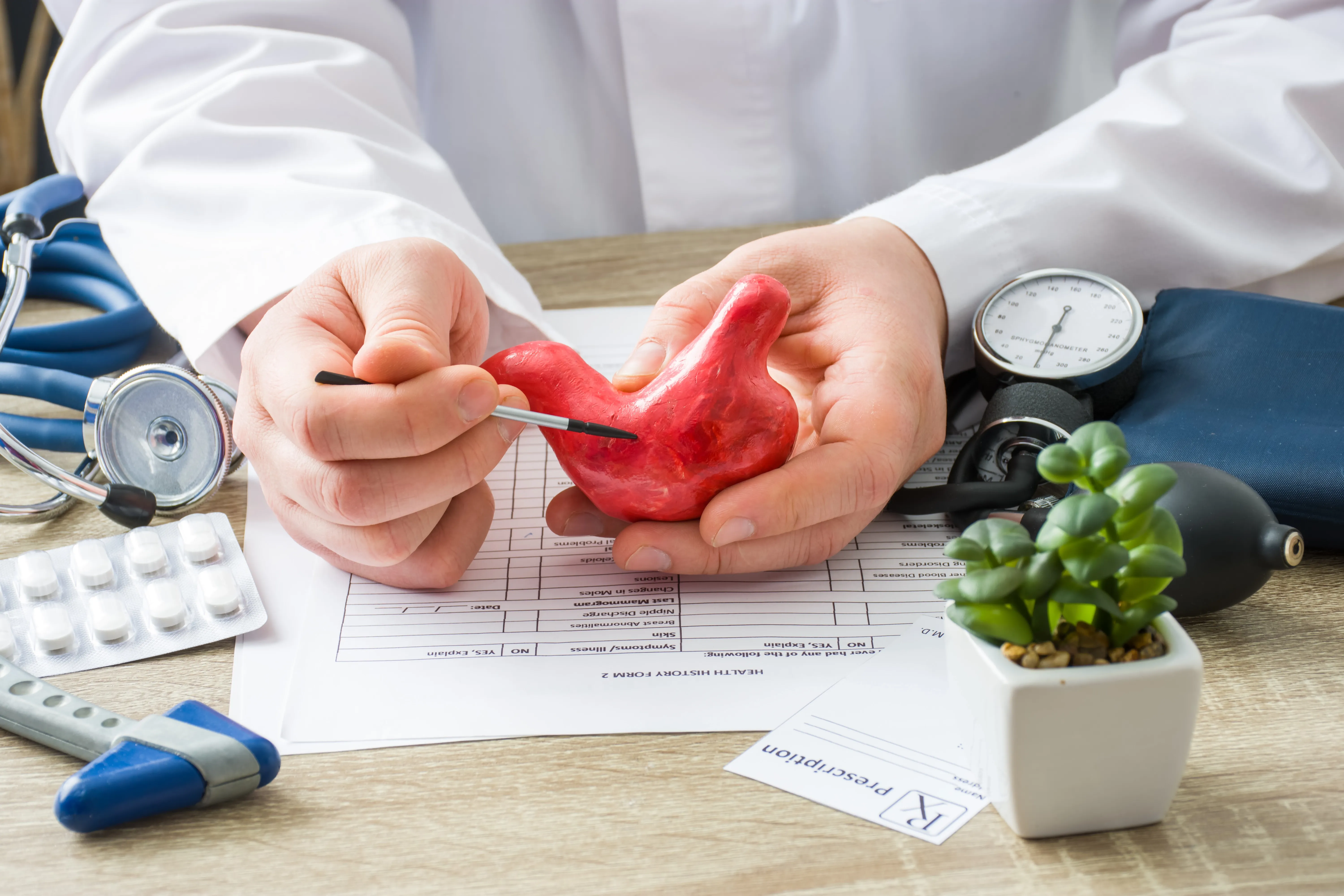


Main symptoms of chronic gastroduodenitis, treatment
Gastroduodenitis is a disease of the gastrointestinal tract, which is accompanied by inflammation of the mucous membrane of the stomach and duodenum. The main symptoms of chronic gastroduodenitis are nausea, fullness of the stomach, aching pain in the epigastric region, impaired defecation. The disease is most often diagnosed in young people.
Atrophic gastroduodenitis - causes:
- irrational nutrition (predominance of fatty, smoked and spicy foods in the diet);
- abuse of alcohol, coffee;
- long-term use of drugs (antibiotics, nonsteroidal anti-inflammatory drugs);
- the presence of Helicobacter pylori in the body;
- chronic stresses;
- diseases of the liver and biliary tract;
- increased acidity;
- chronic diseases, heredity.
Superficial gastroduodenitis in children most often develops against the background of infectious diseases and chronic somatic diseases. A special risk group includes children prone to allergies.
Classification of the disease, atrophic gastroduodenitis
The most common chronic gastroduodenitis with periods of remission and exacerbation. Exacerbation of the disease can be both regularly repeated and isolated. There are erosive, superficial, atrophic, mixed and hypertrophic types of chronic gastroduodenitis. Depending on the acidity, gastroduodenitis with increased acidity, with reduced and with normal secretion is distinguished.
Acute gastroduodenitis is extremely rare. The main symptoms are nausea, vomiting, severe weakness, diarrhea that turns into constipation, pain in the epigastric region, dizziness, body tremors. Treatment of gastroduodenitis in adults is usually outpatient. An exception is the acute form, which requires hospitalization in a hospital.
On our website Dobrobut.com, you can make an appointment with a gastroenterologist, who will answer your questions and tell you about the diet menu for acute gastroduodenitis. Registration on the website and by the above-mentioned telephone numbers.
Superficial gastroduodenitis in children
Gastroduodenitis is a disease that occurs frequently in childhood. The main causes of the pathology are a violation of the diet, excessive consumption of food that irritates the mucous membrane, poor chewing, long-term use of antibiotics. The disease, as a rule, occurs in children with severe heredity and in people with allergies.
Symptoms: aching pain in the stomach, nausea, weakness, tachycardia, diarrhea and tremors in the body. Treatment of pathology should be complex, combining medicines and diet.
Symptoms of chronic gastroduodenitis in adults
The disease is characterized by general symptoms of intoxication and local manifestations. Common ones include:
- aching spasm-like pains in the stomach;
- decrease in appetite;
- heartburn, belching;
- yellow plaque on the tongue;
- periodic nausea;
- feeling of stomach fullness;
- unpleasant taste in the mouth;
- diarrhea.
Pains with gastroduodenitis in the acute stage have a spasm-like character and are accompanied by severe heartburn and vomiting.
The course of chronic gastroduodenitis is wave-like, with periods of exacerbation and remission.
Clinical manifestations of gastroduodenitis with hyperacidity of the stomach - night "hunger" pains, sour belching, diarrhea, dizziness, sweating, severe weakness. Changes in the work of the cardiovascular system are noted.
Diagnostic measures
The diagnosis is made after examining the patient and receiving the results of additional examinations. Among them:
- endoscopic examination (will allow to assess the condition of the mucous membrane of the colon and stomach);
- histological examination (will help to assess the degree of inflammation);
- x-ray of the stomach and duodenum (prescribed in individual cases);
- ultrasound examination;
- antroduodenal manometry;
- intragastric pH-metry to determine the acidity of gastric juice;
- general blood test.
After receiving the results, the doctor will tell you how to treat erosive gastroduodenitis and what you should pay attention to.
Treatment of gastroduodenitis
The acute form of the disease is usually treated in an inpatient setting under the strict supervision of a doctor.
Treatment of chronic gastroduodenitis follows the following scheme:
- bed rest during the first week (the patient is prohibited from any physical and emotional stress);
- diet (the patient is prescribed a gentle diet with a predominance of boiled, stewed and baked dishes);
- drugs (antisecretory, pain relievers, antacids, gastroprotectors, antibiotics);
- recipes of folk medicine as additional therapy.
Drugs for the treatment of atrophic gastroduodenitis should be prescribed only by a specialist.
In case of increased acidity, the patient is recommended diet No. 1, and in case of low acidity, diet No. 2. Spicy and smoked foods, fatty meat, fresh baked goods, vegetables and legumes are excluded from the diet. Food and drinks should be warm. Eating 5-6 times a day in small portions at regular intervals. Nutrition in catarrhal gastroduodenitis is very important. After normalization of well-being, the patient is transferred to diet No. 5.
Prevention of gastroduodenitis
The basis of prevention is full nutrition four times a day. In addition, doctors recommend giving up alcohol, smoking, black coffee and strong tea. Avoid stress and psychological overload. Eat more fresh fruits, vegetables, boiled and stewed dishes. Regular exercise will help you maintain your weight and avoid harmful fad diets.
Related services:
Gastroenterologist consultation
Videogastroduodenoscopy
 6.9К views