

Pathogenesis, symptoms and treatment of Itzen-Cushing's syndrome in humans
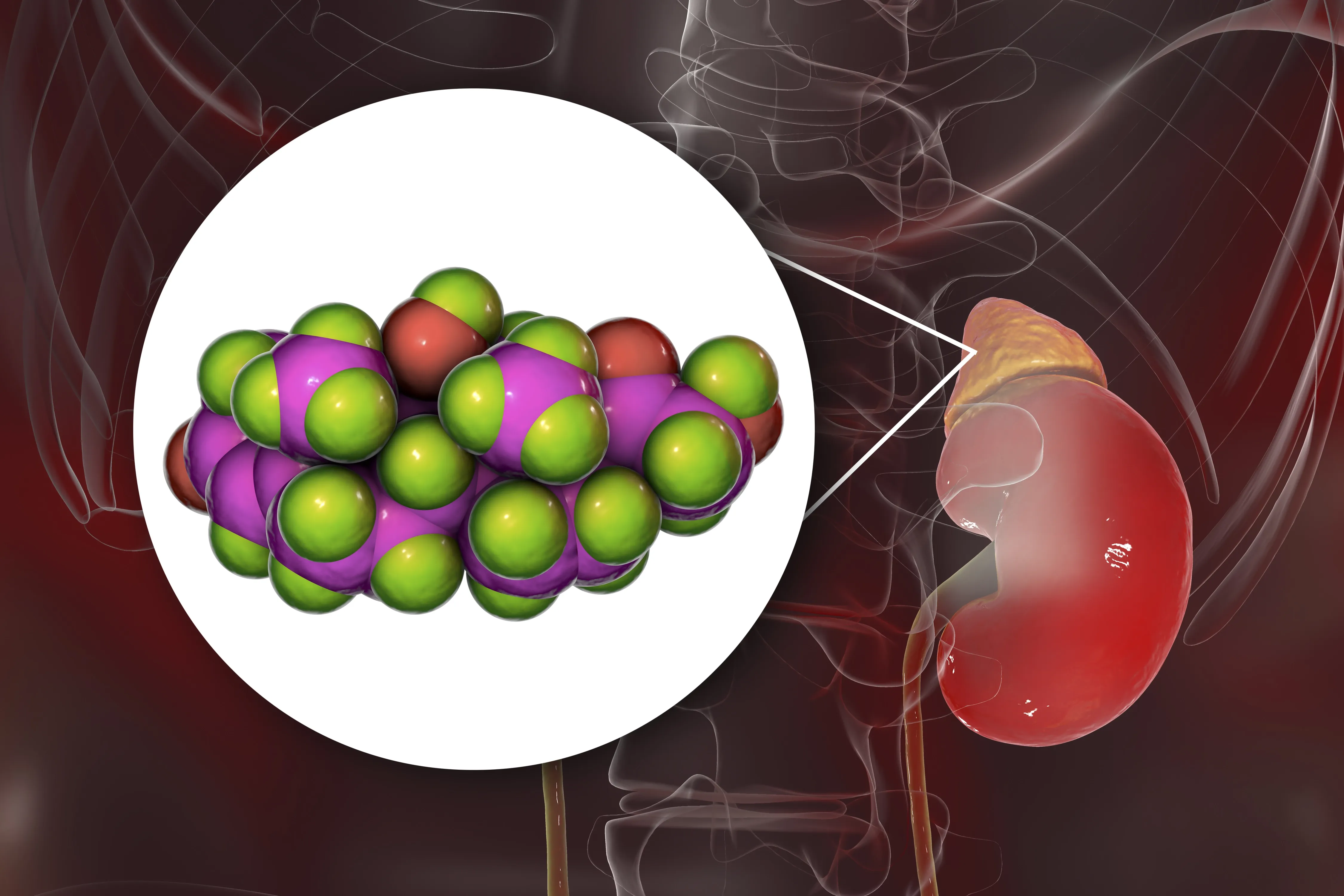
Itzen-Cushing's syndrome (or hypercortisolism) is a pathology caused by excessive production of adrenal hormone. The disease is characterized by a variety of symptoms. Treatment of Itzenko-Cushing's syndrome in humans consists in normalizing the synthesis of cortisol, a hormone of the adrenal cortex.
Pathogenesis of Itzen-Cushing's syndrome
The pathological condition can occur for a long time without obvious clinical signs. The pathogenesis of Itzen-Cushing's syndrome is associated with
- the presence of tumors of the liver, lungs, or genitals that can produce hormones with a corticosteroid-like effect;
- a neoplasm localized in the adrenal cortex;
- microadenoma of the pituitary gland.
Often, this condition begins to develop in the presence of provocative factors. These can be traumatic brain injuries, difficult childbirth, acute infectious diseases and other pathologies.
One of the forms of the disease is drug-induced Itzen-Cushing's syndrome. It occurs on the background of prolonged use of drugs from the category of hormonal drugs - prednisolone, dexamethasone and others.
The diagnosis of endogenous hypercorticism in men is most often made against the background of head trauma.
The causes of secondary hypercorticism are individual. After proper treatment, Itzen-Cushing's syndrome rarely recurs, although it is a chronic pathology. Severe symptoms can be provoked by a weakened immune system, impaired metabolism of other hormones (more often in women - in particular, this is associated with pregnancy and childbirth).
Symptoms of Itzen-Cushing's syndrome in women and men
The main signs of pathology:
- significant weight gain associated with the formation of bulky fat deposits;
- thinning of the skin;
- acne.
Symptoms of Itzen-Cushing's syndrome in women are complemented by menstrual irregularities (up to complete cessation of menstruation), male pattern facial hair growth. Men are concerned about decreased sex drive and erectile dysfunction.
The following symptoms may also occur:
- vulnerability
- sudden mood swings
- constant headaches
- chronic fatigue;
- general weakness.
- periodic increase in blood pressure.
Diagnostic measures
It is difficult to make a diagnosis based solely on the patient's complaints. The most reliable and informative tests are ACTH tests - in Itzen-Cushing's syndrome, the amount of the hormone in the blood will be significantly increased.
Additionally, computed tomography and magnetic resonance imaging are prescribed to determine the exact localization of the tumor or to identify factors that provoke the development of pathology.
Differential diagnostics of Itzenko-Cushing's syndrome is mandatory - for this purpose, saliva, urine are examined, and a test for cortisol production during provocations is performed.
Treatment of Itzen-Cushing's syndrome
After examining the patient and confirming the diagnosis, the question of treatment is raised. In the presence of a pituitary tumor, surgical intervention to remove it is mandatory, and radiation therapy is indicated during the recovery period. Additionally, drug therapy is prescribed.
How to treat Itzen-Cushing syndrome in children? In pediatrics, therapeutic methods to stabilize the adrenal glands are first used. If a child is diagnosed with a tumor of the pituitary gland or adrenal cortex, doctors will first suggest that parents undergo a course of chemotherapy and only in the absence of positive results - surgical intervention.
How quickly a patient recovers depends on a number of factors, including lifestyle. Clinical recommendations for functional hypercortisolism:
- adjust the diet;
- control the psycho-emotional background;
- undergo psychotherapeutic treatment;
- lead an active lifestyle;
- take vitamin preparations.
During recovery, a person may experience joint and muscle pain. You should not take medications to eliminate such discomfort. Warm baths with decoctions of medicinal herbs, professional massage, and moderate physical activity will help to alleviate the condition.
Prevention of Itzenko-Cushing's syndrome
To prevent this disease, it is important to
- do not take hormonal drugs without a doctor's prescription;
- undergo an annual examination of the Turkish saddle (important in diagnosing pituitary lesions) - the X-ray method can detect its “failure” and change of shape at an early stage
- periodically monitor blood cortisol levels.
If the pituitary gland or adrenal gland was previously removed due to a malignant or benign tumor, steroids must be taken continuously.
A specialist of our clinic will answer your questions in more detail. He or she will also explain the difference between the disease and Itzenko-Cushing's syndrome. You can make an appointment with a doctor on the website https://dobrobut.com/.
Related services:
Diagnostics
Consultation by an endocrinologist
 9.0К Views