

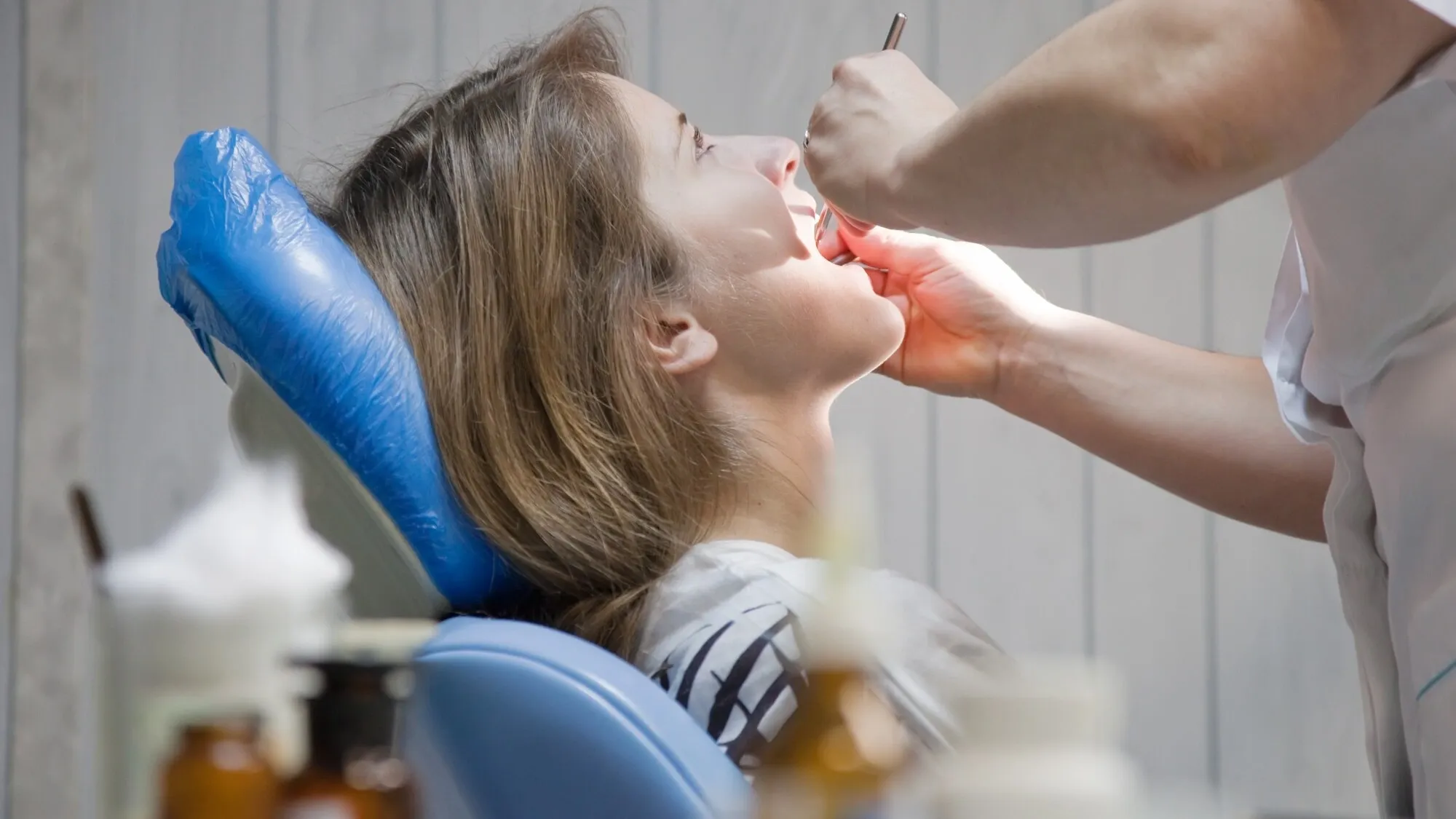

After a tooth extraction, you can eat when the bleeding has stopped, the gauze pad has been removed, and the pronounced numbness from anesthesia has passed. In the first 24–48 hours, choose soft foods at room temperature, chew on the opposite side, and drink without a straw. Hot, hard, spicy, and crunchy foods can traumatize the socket or damage the blood clot. After complex procedures or the removal of an "eight," restrictions often last longer, so first and foremost, follow the individual recommendations of your dentist.
Why Food Affects Socket Healing
Properly selected food does not injure the postoperative area and helps to maintain the blood clot. It forms in the socket after extraction and covers the bone and nerve endings. Over time, the clot is replaced by granulation tissue, and a light fibrin coating may appear on its surface. Fibrin is a natural part of the healing process, so it should not be scraped off with a brush, finger, or cotton swab.
Avoid hot food that may increase bleeding. Additionally, it is important to refrain from dangerous movements, such as drinking through a straw, forcefully sucking in a drink, and spitting forcefully, as this may displace the clot and raise the risk of developing a dry socket.
If the clot has not formed or has been prematurely disrupted, alveolitis may occur. It is characterized by intense pain that worsens after a few days and often radiates to the ear, temple, or lower jaw. To reduce the risk of complications, it is crucial to follow the recommendations received after tooth extraction.
When You Can Eat and Drink After Extraction
If the doctor has not provided other instructions, it is generally permissible to sip water in small amounts shortly after the procedure. The water should be cool or at room temperature. Do not rinse your mouth with liquid and do not hold it near the socket: simply swallow the drink calmly.
There is no universal answer to when you can eat after tooth extraction, as each case is individual. Typically, eating is permitted after bleeding stops and numbness decreases. This is roughly 2–3 hours later. If the lip, tongue, or cheek are still numb, it is advisable to wait so as not to bite the tissues or burn yourself.
What to Eat on the First Day
On the first day, soft homogeneous dishes are appropriate, which do not require active chewing. They should not be hot, spicy, sour, or overly salty. Eat in small portions and try not to touch the postoperative area with a spoon.
If you are unsure what to eat after tooth extraction, you may choose:
- natural yogurt without seeds, nuts, or pieces of fruit;
- potato, vegetable, or fruit puree;
- soft omelet without a fried crust;
- chilled cream soup or clear broth;
- soft cottage cheese;
- well-cooked porridge without hard additives;
- mashed banana or avocado;
- baby vegetable or meat puree.
Do not direct food directly into the socket and do not check it with your tongue after each bite. For the first 24 hours, do not vigorously rinse your mouth or spit forcefully.
How to Expand Your Diet on Day 2–3 and Beyond
The diet is expanded gradually, provided that bleeding does not resume and pain and swelling do not increase. From homogeneous food, you can move on to soft pasta, well-cooked grains, stewed vegetables, fish, minced meat, and casseroles. The temperature of the dishes remains comfortable.
In deciding what can be eaten on the second day after tooth extraction, rely not only on the calendar but also on how you feel. If chewing causes pain, return to softer foods. After eating, do not attempt to remove remnants from the socket. Starting the next day, the doctor may recommend gentle mouth rinses, but the solution should only be held in the mouth without active rinsing.
After Routine Extraction
After a straightforward procedure, many patients gradually return to their usual diet within a few days. On the second or third day, you can add soft cutlets, boneless fish, boiled eggs, stewed vegetables, and well-cooked pasta. Crunchy products are introduced later, when chewing does not cause discomfort.
The recovery period depends on the size of the socket, the presence of stitches, and underlying health conditions. If pain decreases, swelling does not increase, and food does not injure the wound, the consistency can be gradually changed. In case of doubts, a consultation with a dentist is advisable.
After Wisdom Tooth Extraction
After surgery on the third molars, soft foods are often consumed for a longer period. This is especially true in cases where the doctor cut the gums, divided the tooth into parts, or placed stitches. The exact duration is determined depending on the scope of the intervention and the course of recovery.
In response to the question of what can be eaten after wisdom tooth extraction, doctors recommend starting with puree, yogurt, omelet, and homogeneous soups, and then adding soft fish, grains, and minced meat. Chewing should be done on the opposite side. When teeth are removed from both sides, it is better to finely chop the food and swallow it without intense chewing.
After wisdom tooth removal, swelling may increase during the first 48–72 hours and then gradually decrease. During this time, do not rush back to solid foods. After atypical tooth extraction, personal recommendations from the surgeon take precedence over general advice.
What Not to Eat and Drink
In the first days, exclude foods that can damage the clot, get stuck in the socket, or irritate the tissues. The duration of restrictions depends on the healing process, but there is no need to rush to solid food.
Temporarily avoid:
- nuts, seeds, popcorn, croutons, and chips;
- tough meat, firm raw vegetables, and bread with a coarse crust;
- hot broth, tea, coffee, and other hot beverages;
- spicy condiments, sour sauces, and very salty dishes;
- carbonated drinks and alcohol;
- foods with small grains that can get into the socket;
- sticky sweets that require prolonged chewing.
Alcohol can increase bleeding and interact with antibiotics or painkillers. Carbonated drinks irritate the mucosa, and smoking slows down healing.
When Pain, Odor, and Fever Require a Doctor's Visit
Contact your dentist if pain does not lessen but increases after 2–5 days, radiates to the ear or temple, and is accompanied by an unpleasant odor or taste. This may indicate a "dry socket." The doctor will examine the wound, carefully clean it, and apply local treatment.
Rapid examination is also needed for:
- bleeding that does not stop after applying sterile gauze;
- fever, chills, pus, or pronounced weakness;
- swelling that continues to increase after the third day;
- difficulties opening the mouth, swallowing, or breathing;
- rash, lip swelling, or other signs of a reaction to a drug;
- loss of sensitivity that persists longer than the time prescribed by the doctor.
In cases of difficulty breathing or rapid swelling, emergency medical help is needed. In other acute situations, emergency dental care is available. At Dobrobut Dental Clinic, a dentist-surgeon assesses the condition of the socket, and if there are accompanying problems, treatment may involve a dentist-therapist, endodontist, orthopedic specialist, and other professionals.
 47 views